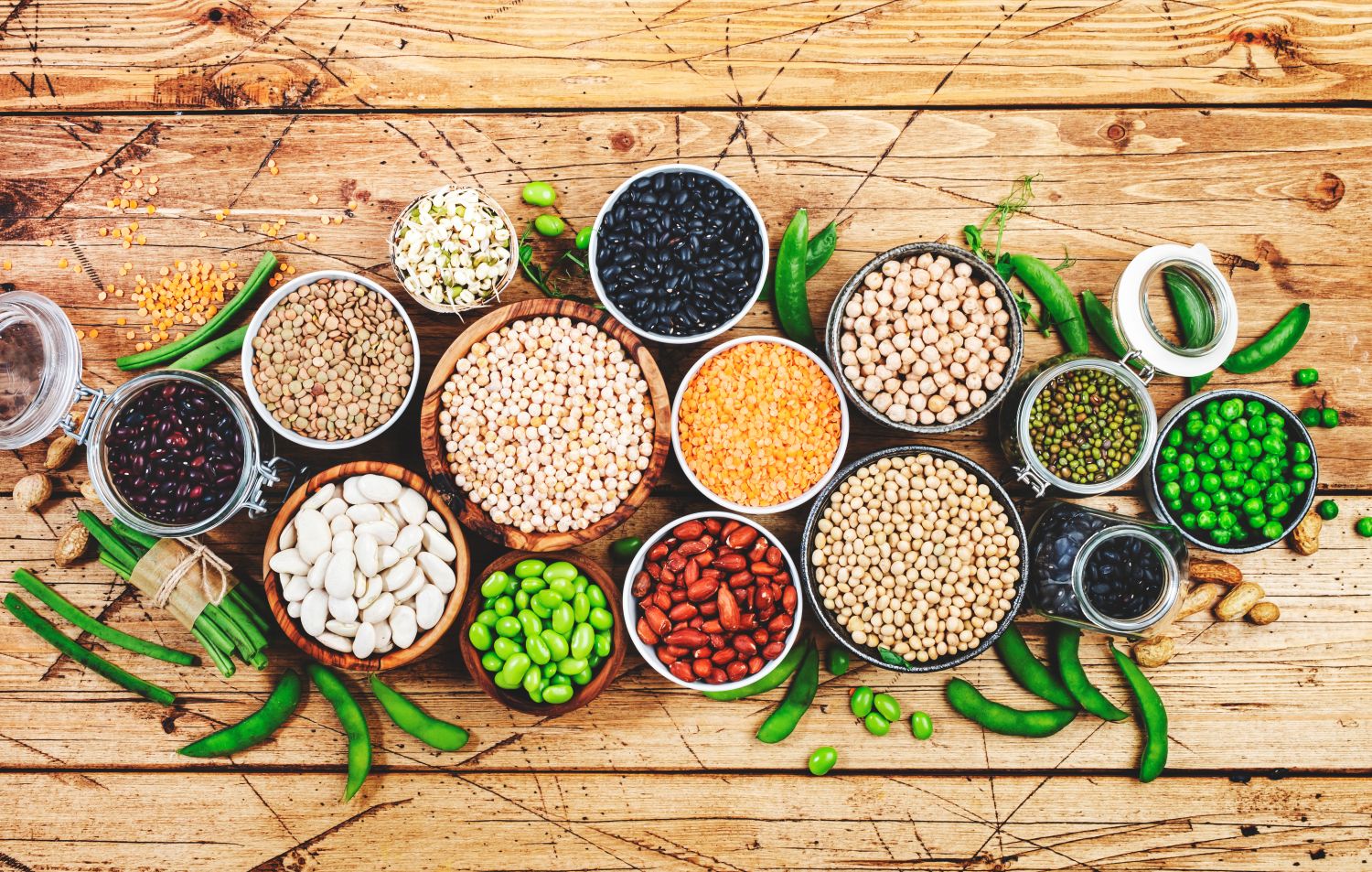
Legumes, often regarded as nutritional powerhouses, offer an impressive array of health benefits. Understanding the specific advantages of soybeans, black beans, red beans, and chickpeas reveals their potential to enhance heart health, improve digestion, and support weight management. This exploration will delve into their unique nutritional profiles, highlighting essential vitamins and minerals, while offering insights on incorporating these versatile foods into your daily diet. Discover how embracing legumes can transform your health and well-being.
Nutritional Overview of Soybeans
Soybeans represent one of the most abundant sources of plant-based protein, offering a complete amino acid profile that effectively meets diverse dietary requirements.
Protein Content and Quality
Soybeans contain approximately 36-40% protein, positioning them as an excellent option for vegetarians and vegans seeking high-quality protein sources. Plus their noteworthy protein content, soybeans are distinctive among legumes as they provide all nine essential amino acids, a rarity in plant-based foods.
A study published in the Journal of Nutrition indicates that the inclusion of soy protein in the diet significantly supports muscle development, particularly when combined with resistance training. To maximize these benefits, individuals are encouraged to incorporate soy-based products such as tofu, tempeh, or edamame into their meals.
The integration of these foods can enhance overall protein intake while also delivering valuable nutrients such as iron and calcium.
Vitamins and Minerals
Soybeans are an excellent source of several essential vitamins and minerals, including folate, iron, and magnesium, which contribute to a variety of health benefits.
These nutrients are crucial for maintaining overall health. Folate plays a pivotal role in cell division and is particularly important for pregnant women, as it helps prevent neural tube defects. Iron is essential for the transport of oxygen in the blood, thus preventing anemia, while magnesium is necessary for proper muscle and nerve function.
Incorporating soybeans into one’s diet, whether through edamame, tofu, or soy milk, can assist in meeting daily nutritional requirements.
For instance, a cup of cooked soybeans provides approximately 282 micrograms of folate, 9 milligrams of iron, and 280 milligrams of magnesium, underscoring their status as a nutritional powerhouse.
Health Benefits of Black Beans
Black beans are not only a flavorful addition to various dishes but are also rich in nutrients that contribute to heart health and promote optimal digestive function.
Heart Health and Cholesterol Management
Incorporating black beans into one’s diet has been shown to lower LDL cholesterol levels by up to 10%, attributed to their high soluble fiber content. Regular consumption of black beans can significantly enhance heart health by promoting healthier cholesterol levels.
A study published in the Journal of Nutritional Sciences observed participants who consumed one cup of black beans daily for six weeks. The results indicated a notable decrease in LDL cholesterol and an improvement in overall lipid profiles.
To effectively integrate black beans into meals, consider adding them to:
- Salads
- Soups
- Side dishes, particularly when served with brown rice
Utilizing canned black beans can streamline meal preparation while preserving their nutritional benefits, making them a convenient choice for daily dining.
Digestive Health
Black beans contain approximately 15 grams of dietary fiber per cup, which contributes to digestive health and regularity. This substantial fiber content plays a significant role in digestion by increasing stool bulk and facilitating its passage through the intestines.
For optimal digestive health, it is recommended that adults aim for a daily fiber intake of at least 25 grams; however, many individuals do not meet this target. In comparison, chickpeas provide approximately 12.5 grams of fiber, while lentils offer around 15.6 grams per cup.
Incorporating a variety of legumes into one’s diet not only enhances overall fiber intake but also supports gut microbiota, which is essential for maintaining proper digestive function.
Red Beans: A Nutritional Powerhouse
Red beans are rich in antioxidants and essential nutrients that contribute to overall health and well-being.
Antioxidant Properties
Red beans are a significant source of potent antioxidants, including anthocyanins, which are known to help mitigate oxidative stress and inflammation. Plus anthocyanins, red beans also contain other beneficial antioxidants such as flavonoids and phenolic acids. These compounds have been associated with a decreased risk of chronic diseases, including heart disease and diabetes.
A study published in the Journal of Agricultural and Food Chemistry revealed that individuals who consumed higher levels of antioxidants experienced a 25% reduction in the risk of cardiovascular issues.
Incorporating red beans into one’s diet can be a straightforward process; they can be added to salads, soups, or burritos, enhancing both flavor and antioxidant content.
Blood Sugar Regulation
Red beans, characterized by a low glycemic index, can be advantageous for individuals aiming to manage their blood sugar levels more effectively. Their complex carbohydrates are digested slowly, which aids in stabilizing blood sugar fluctuations. Clinical studies indicate that including red beans in a diabetic diet may enhance glycemic control.
For example, a recent study published in the Journal of Nutrition revealed that participants who regularly consumed red beans demonstrated lower blood sugar spikes following meals.
To incorporate red beans into your diet, consider adding them to the following dishes:
- Salads
- Soups
- As a side dish
Utilizing canned red beans provides a convenient option; simply rinse and add them to your meals for a straightforward nutritional enhancement.
Chickpeas and Their Unique Benefits
Chickpeas are versatile legumes that provide distinct health benefits, particularly in the areas of weight management and the promotion of bone health.
Weight Management
Chickpeas can significantly contribute to weight loss efforts by promoting satiety, thereby helping individuals to feel fuller for longer periods with fewer calories. This effect is primarily attributed to their high fiber and protein content. Research published in the Journal of Nutrition indicates that meals incorporating chickpeas can result in a 21% increase in feelings of fullness compared to meals that do not include them.
To maximize this benefit, individuals are encouraged to incorporate chickpeas into salads or use them as a base for curries. Additionally, utilizing chickpea flour in baking can enhance the nutritional value of recipes while maintaining lower calorie counts.
It is advisable to aim for at least one serving of chickpeas per day to effectively support weight management goals.
Bone Health
Chickpeas are a valuable source of essential minerals, such as calcium and magnesium, which are critical for maintaining strong bones and preventing osteoporosis.
To support optimal bone health, adults should aim for an approximate daily intake of 1,000 mg of calcium and between 310-420 mg of magnesium, depending on age and gender.
Incorporating chickpeas into one’s diet is an effective strategy, as one cup provides approximately 80 mg of calcium and 75 mg of magnesium. They can be enjoyed in various dishes, including salads, stews, or as hummus.
Additionally, pairing chickpeas with leafy greens or fortified plant-based milks can further enhance the intake of these vital minerals, thereby promoting stronger bones and overall health.
Comparative Analysis of Legumes
A comparative analysis of legumes demonstrates their distinct nutritional profiles and health benefits, which effectively cater to a variety of dietary requirements.
For instance, lentils are an excellent source of protein, providing 18 grams per cooked cup, along with 15 grams of fiber, both of which contribute to heart health and improved digestion. Chickpeas offer comparable benefits, enriched with additional vitamins and minerals that support bone health and energy levels. Additionally, black beans are noteworthy for their antioxidant properties and high fiber content, making them beneficial for blood sugar regulation.
To incorporate these legumes into one’s diet, the following suggestions may be considered:
- Adding lentils to soups
- Using chickpeas in salads
- Blending black beans into vegetable burgers
These simple substitutions can significantly enhance meal variety while increasing overall nutritional value.
Incorporating Legumes into Your Diet
Incorporating legumes into one’s daily diet is both straightforward and enjoyable, providing a wide array of meal options and recipes. One can begin by including a variety of legumes, such as chickpeas, lentils, and black beans, in their meals.
For a quick and nutritious lunch, one might consider preparing a hearty salad utilizing canned chickpeas, diced cucumbers, tomatoes, and a lemon-tahini dressing. Additionally, a comforting lentil soup can be made by simmering lentils with onions, carrots, and spices such as cumin and coriander to enhance the flavor profile.
Meal preparation can be made efficient by cooking a large batch of beans over the weekend and refrigerating them. This practice allows for easy incorporation of legumes into salads, soups, or wraps throughout the week.