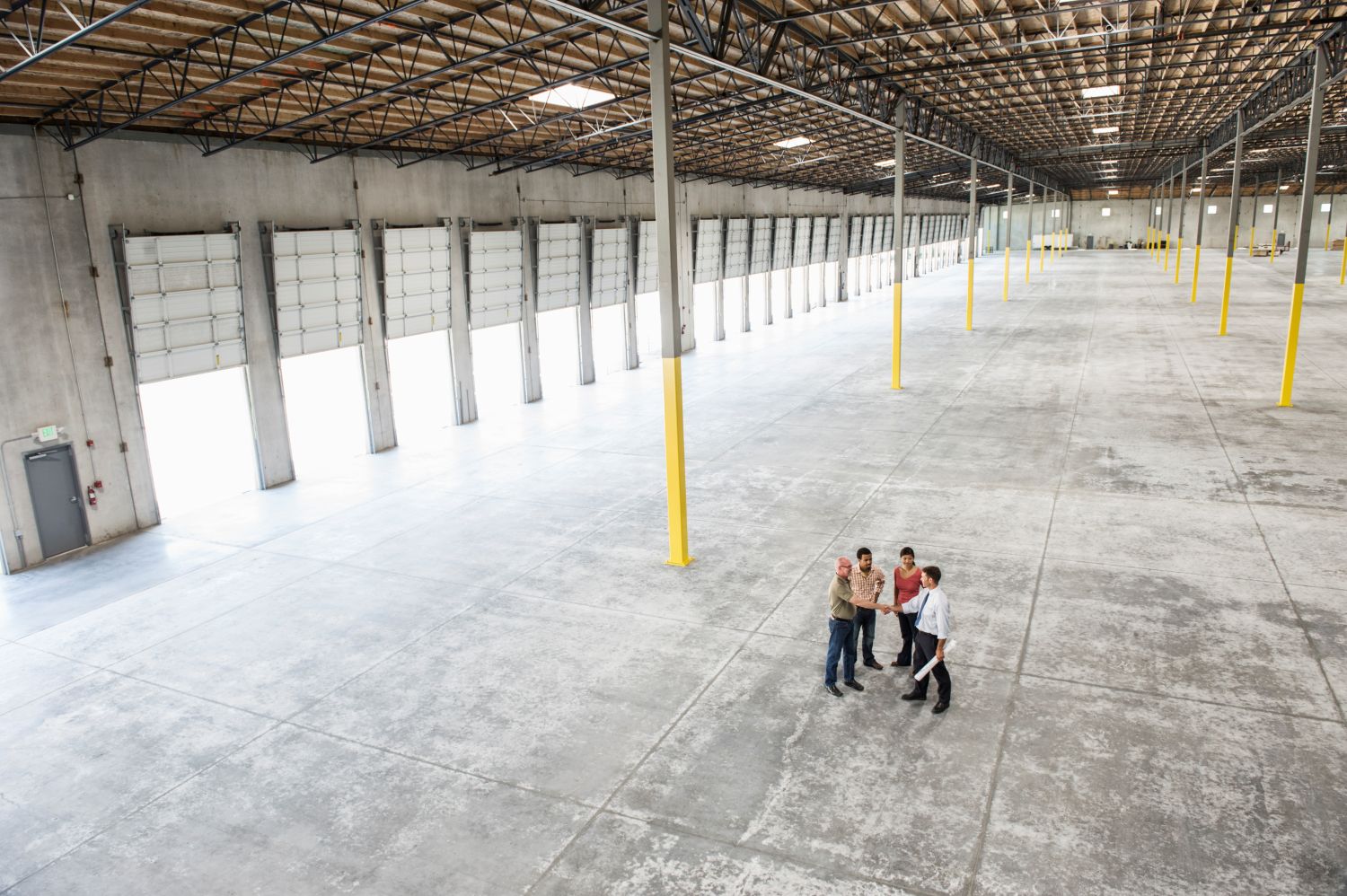
Finding the perfect warehouse space is a pivotal decision that can significantly impact your business operations. Understanding your specific storage needs, evaluating locations, and grasping lease terms are crucial steps in ensuring an ideal fit. This guide will walk you through essential considerations-from assessing inventory requirements to negotiating lease agreements-equipping you with the knowledge to make informed choices. Discover how meticulous planning can lead to optimal storage solutions tailored to your unique demands.
Assessing Your Storage Needs
Before renting a warehouse, it is essential to conduct a thorough assessment of your storage requirements. This evaluation will help determine the appropriate type and size of space needed for your inventory.
Inventory Evaluation
Conducting a comprehensive inventory evaluation is essential for understanding the quantity and type of items that require storage, thereby facilitating knowledge-based decision making.
To initiate this process, one should create a detailed list of all items, accompanied by their respective quantities, in a spreadsheet format. It is advisable to categorize these items based on demand levels-high, medium, or low.
Utilizing tools such as Sortly can significantly streamline this process, enabling effective visualization of the inventory status. For example, a small retail business employed this method to reduce excess stock by 30%, resulting in a more efficient storage layout and markedly improved access to high-demand products.
This meticulous approach not only optimizes storage space but also enhances inventory accuracy, ultimately leading to improved stock management.
Space Requirements
Determining space requirements necessitates a thorough calculation of the volume of goods and an assessment of future growth to mitigate the risk of costly expansions in the future.
To begin, it is essential to measure the total volume of the inventory, which encompasses the dimensions and quantities of each product. Subsequently, one must account for the space occupied by shelving units and loading docks, ensuring that there is adequate room for efficient movement and compliance with safety regulations.
Accessibility for transportation is another critical consideration; wide aisles will facilitate easier loading and unloading of goods. For example, a case study involving XYZ Logistics demonstrated that by optimizing their layout in accordance with these principles, they achieved a 30% increase in picking efficiency, thereby significantly reducing operational costs.
Location Considerations
The location of a warehouse is a critical factor influencing operational efficiency and cost-effectiveness, affecting both suppliers and customers.
Proximity to Suppliers and Customers
Proximity to suppliers and customers can significantly reduce transportation costs and enhance service delivery times.
To evaluate the advantages of location, one should begin by analyzing transportation routes using mapping tools such as Google Maps to determine distances from the base to both suppliers and customers.
Subsequently, it is essential to assess local market demand by examining population density and demographic data. Additionally, reviewing the locations of competitors can reveal gaps in the market or areas of potential saturation.
A recent study indicates that businesses situated within a 50-mile radius of their suppliers can achieve transportation cost savings of up to 20%, underscoring the critical nature of strategic location planning.
Accessibility and Transportation
Accessibility for transport vehicles is a critical factor in enhancing warehouse efficiency, significantly influencing loading and unloading operations.
To evaluate transport accessibility, one should begin by inspecting the docking facilities to ensure they are accessible 24 hours a day, allowing for operations to occur at any time. Furthermore, it is essential to assess local road conditions through traffic reports to anticipate potential delays. A thorough review of truck access is necessary to confirm that there is adequate maneuvering space for larger vehicles.
For instance, a warehouse in Atlanta notably improved its efficiency by relocating docking bays to a more spacious access point, which resulted in a 30% reduction in unloading time and an overall enhancement in throughput.
Understanding Lease Terms
A comprehensive understanding of the intricacies of lease agreements is essential to prevent unforeseen expenses and to ensure flexibility in warehouse rental decisions.
Lease Duration and Flexibility
The duration of a lease can significantly influence financial obligations and the flexibility available for future operational adjustments.
Short-term leases, typically lasting one year or less, provide businesses with the agility necessary to respond promptly to market fluctuations or expansion opportunities. Conversely, long-term leases, which generally extend from three to five years, may offer more favorable monthly rates. However, such leases often include renewal clauses that can impose penalties for early termination.
For instance, consider a restaurant that enters into a five-year lease; if the business model is unsuccessful, the owner may face substantial penalties if they decide to exit the lease prematurely.
To evaluate long-term costs effectively, one may employ the following formula:
- Total Cost = Monthly Rent x Lease Term + Potential Penalties.
This approach enables a comprehensive assessment of the financial implications associated with leasing decisions.
Hidden Costs and Fees
Identifying hidden costs associated with warehouse rental can result in substantial savings; these costs may include maintenance fees, utility expenses, and property management charges.
A comprehensive understanding of these expenses is essential. Maintenance fees typically range from $500 to $1,000 annually, which ensures that the structure is maintained in optimal condition. Utility costs can accumulate over time, so it is advisable to consider energy-efficient options to mitigate these expenses. Property management fees generally range from 5% to 10% of the rent and can have a significant impact on your overall financial performance.
Before signing a lease, it is prudent to evaluate these hidden fees by creating a checklist that outlines potential costs, including:
- Insurance
- Taxes
- Unforeseen repairs
Evaluating Warehouse Features
When evaluating warehouse features, it is essential to prioritize security and climate control. These elements are critical for safeguarding assets and ensuring operational efficiency.
Security Measures
Robust security measures, including 24-hour surveillance, controlled access, and alarm systems, are essential for safeguarding warehouse facilities and their assets.
Investing in a comprehensive security system can significantly mitigate risks associated with theft and unauthorized access. For instance, the installation of a camera system, such as the Ring model available for $199, provides real-time monitoring and alerts, enhancing overall security.
Additionally, implementing access control through key card systems ensures that only authorized personnel can access sensitive areas, further bolstering security. Employing security personnel at an average rate of $15 per hour can act as a deterrent to theft while also providing immediate response capabilities when incidents occur.
A notable case study from a Midwest warehouse indicated a 40% reduction in theft incidents following the enhancement of their security protocols, thus demonstrating the effectiveness of such measures.
Climate Control Options
Ensuring proper climate control is essential for the preservation of sensitive goods, with options ranging from basic ventilation systems to advanced temperature regulation solutions. For businesses such as a local winery, the implementation of a sophisticated HVAC system can effectively maintain optimal temperatures and humidity levels, thereby safeguarding fine wines.
The investment for such a system may range between $2,000 and $10,000, depending on its complexity. Additionally, incorporating dehumidifiers can effectively address moisture-related issues, while selecting appropriate insulation materials, particularly those with higher R-values, can enhance overall energy efficiency.
By prioritizing these elements, businesses can not only protect their products but also achieve significant reductions in long-term operational costs.
Finalizing Your Decision
Finalizing a decision regarding your warehouse requires conducting comprehensive site visits and inspections to confirm that the facility aligns with all operational requirements.
Site Visits and Inspections
Conducting comprehensive site visits and inspections is essential for evaluating the physical condition of the warehouse and determining its suitability for specific operational needs.
To enhance the effectiveness of these site visits, it is advisable to adhere to the following steps:
- Begin by creating a checklist that details key features, including security measures, floor space dimensions, and accessibility options.
- During the visit, take meticulous notes and photographs to comprehensively document the condition and layout of the warehouse.
- For instance, a logistics company was able to improve its operational efficiency by 30% after identifying a warehouse with optimal loading docks, a result attributed to thorough preliminary inspections.
- Additionally, assess the surrounding infrastructure to ensure it adequately supports your logistical requirements.
Negotiating the Lease
Negotiating the lease can result in more favorable terms and conditions, ultimately leading to cost savings and increased flexibility in the warehouse rental agreement.
To begin, it is advisable to conduct thorough research on market rates using resources such as Zillow or local real estate listings to establish a baseline for negotiations.
Approach the negotiation process with a well-defined list of desired terms, including reduced rent or an extended lease duration.
If negotiations prove to be challenging, it may be beneficial to enlist the services of a real estate agent who can provide guidance throughout the process, typically charging fees ranging from 5% to 10% of the final lease value.
For example, one company successfully secured a 15% reduction on its lease by negotiating directly after presenting comparable leases they had identified through Zillow.